The Magic Behind Danvers
It’s so surreal to think that Danvers is finally out in the world.
When I first set out on my writing journey, I was still trying to find my voice, basing it on the things I had read and the authors I aspired to be. Then I realized what I was writing was pretty bad, and I needed to go back to square one.
So, following the advice of someone I admire very much, I decided to write what I knew. (That person is Taylor Swift, by the way. Listen to The Manuscript for details.)
So that’s what I did.
My friends and family can attest that I spend most of my time speaking in sarcasm or finding the humor in life. I take my work seriously, but I absolutely DO NOT take myself seriously.
And that’s how I found my voice.
Danvers first came to me in a funny dream—something more mockumentary, The Office-meets-the-Salem-witch-trials. (Mayor Saunders was Mayor Scott in my first drafts.) I have familial ties to Salem—my great-grandmother came from there, and I visited every summer as a kid—so the dream stuck with me. As I thought more about it, I started imagining what I would do if I were dropped into 17th-century Salem… and I realized I would probably do a lot of the same things I do now. Gossip with my friends, cause mischief when I’m bored or feel slighted, make sure everyone hears me talking too loudly about banning male podcasts, and go to Botox parties.
And that’s how Danvers was born.
As I wrote her, my goal was to tell a story for the women of today through the (fictional) women of yesterday. I wanted to laugh on every page (every sentence, if I could) and hope readers would laugh along with me.
But Danvers wouldn’t be out in the world without the amazing people behind her.
My editor, Lauren Hitzhusen, was the first person to believe in this book as much as I did. She pushed the story where it needed to go, let me know where she giggled, and gave me the encouragement and support I needed to take Danvers from a manuscript to an actual book. Lauren: thank you so much!
When it came time to design the cover, I had always pictured the story the way I romanticize Halloween: this ’60s-ish style that evokes old comic books and monster flicks of the era. It might have been a little abstract based on my mood board, but my incredible designer, Sofie Birkin, took on the project with more enthusiasm and vision than I ever could have imagined or asked for. She is the true brains behind this incredible cover and design. Sofie: thank you so much!
As readers dive into the world of Danvers, I hope everyone enjoys reading her as much as I enjoyed writing her. I’m not sure I will ever come up with anything as stupidly brilliant as Fingercutter Fran, but I will certainly try.
My writing journey has already been an odyssey, and I can’t wait to see where it takes me next.
If you’re interested in checking out the first chapter of Danvers, it’s free on my blog here.
If you still need to buy your copy, you can purchase it here.
And if you’re curious about some of the magic behind the scenes, I hope you enjoy some of the concepts below.
Happy hexing!
Xx, Britt ♡
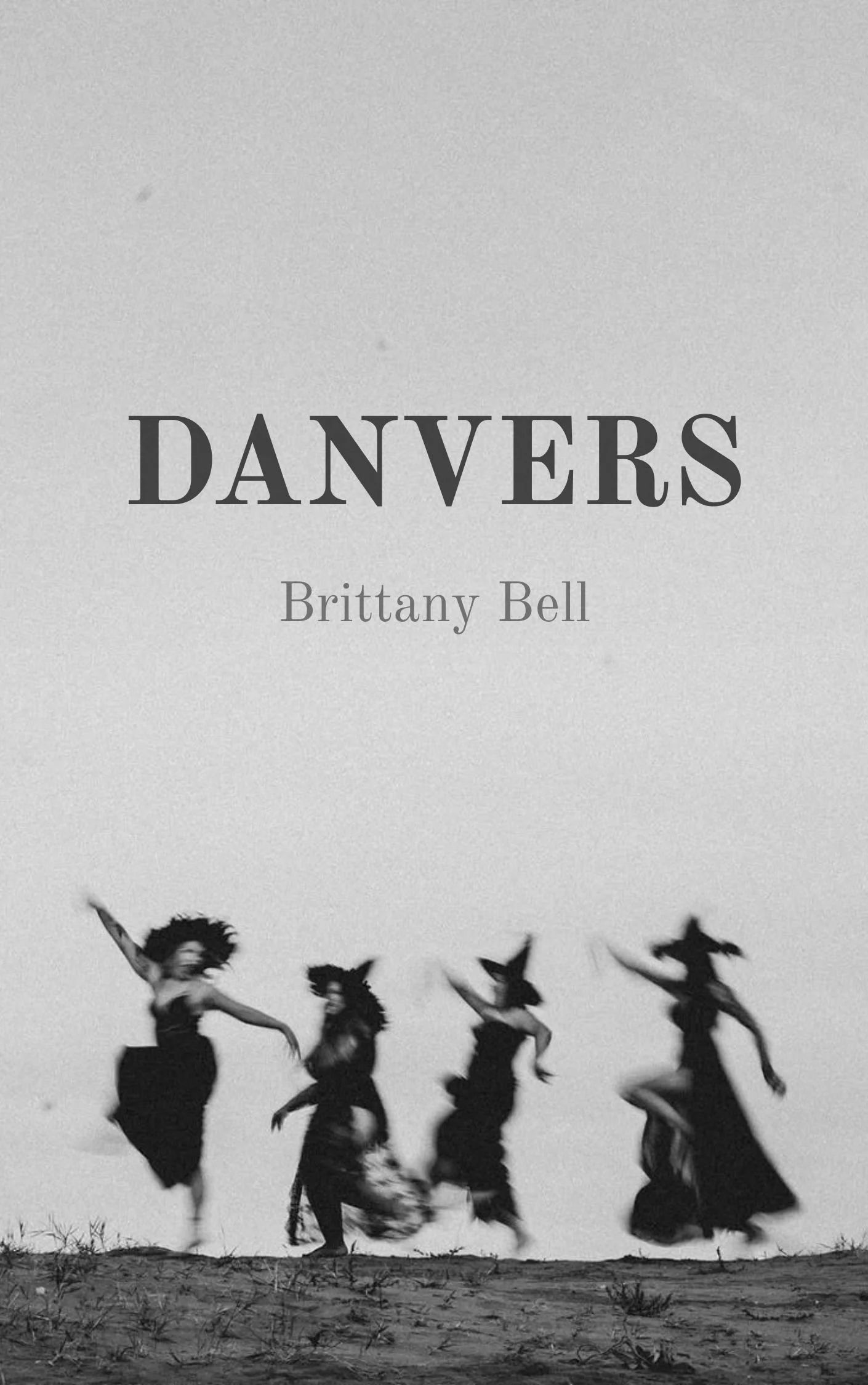
The cover I made in Canva after I drafted the first few chapters.
Can you imagine if I said, “Yep. That’s the one” and went with it?
(Thank God logic and my PR brain ruled this one out. It is now very comfortably the cover image of the Spotify playlist.)
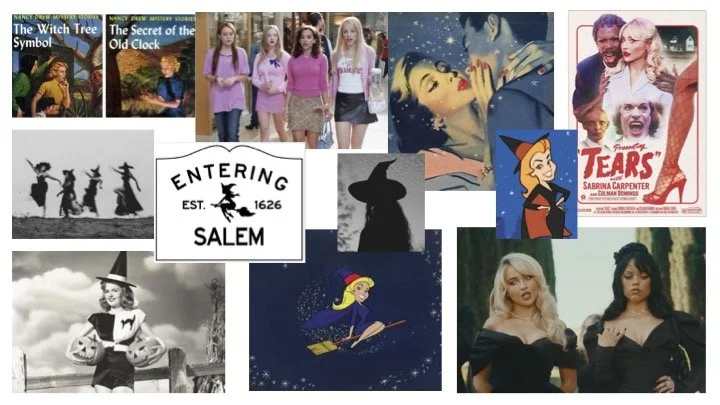
The visual mood board I put together while I drafted.
(Yes, this somehow became the incredible cover you see now).
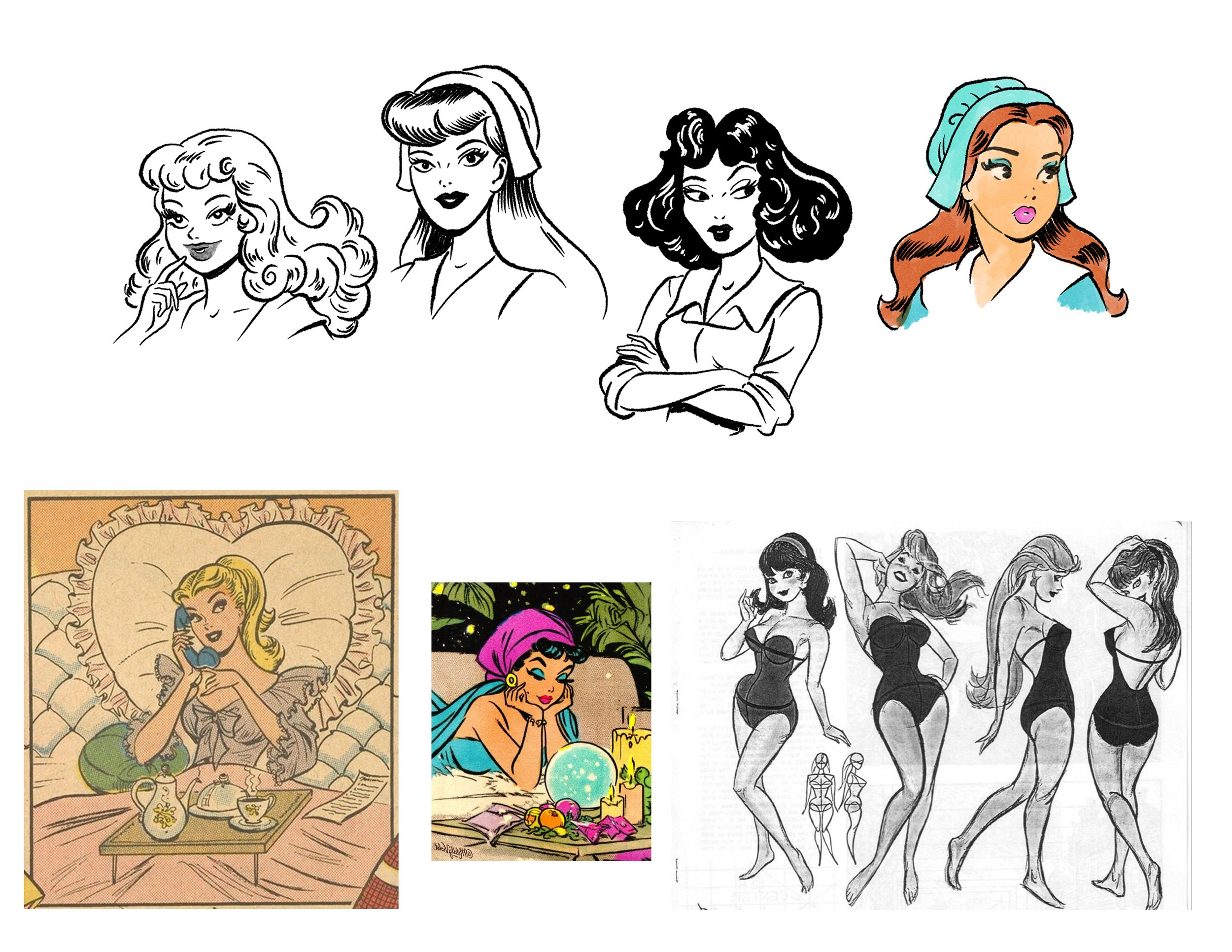
The design concepts for the girls, along with some of the inspiration below.
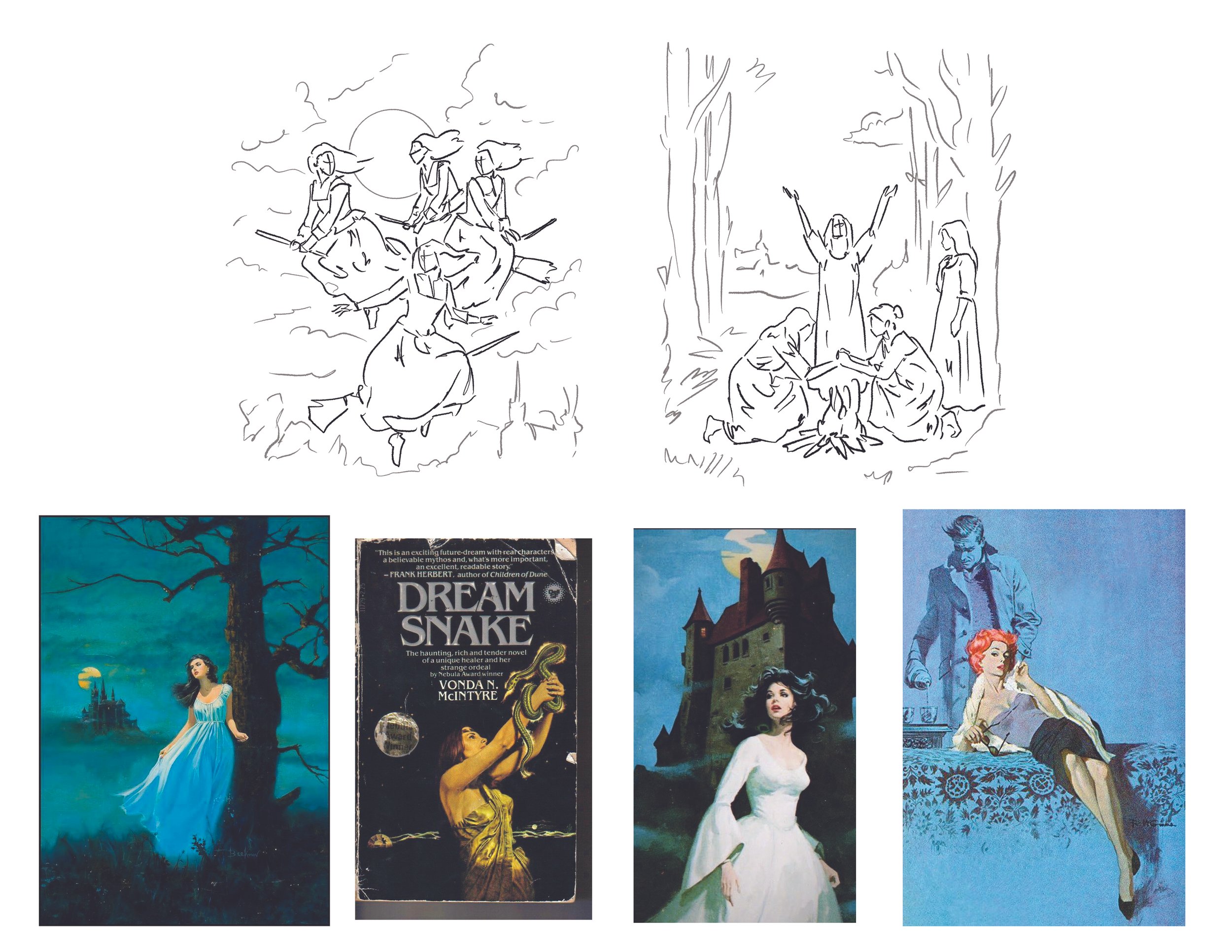
One of the other design styles we played with.
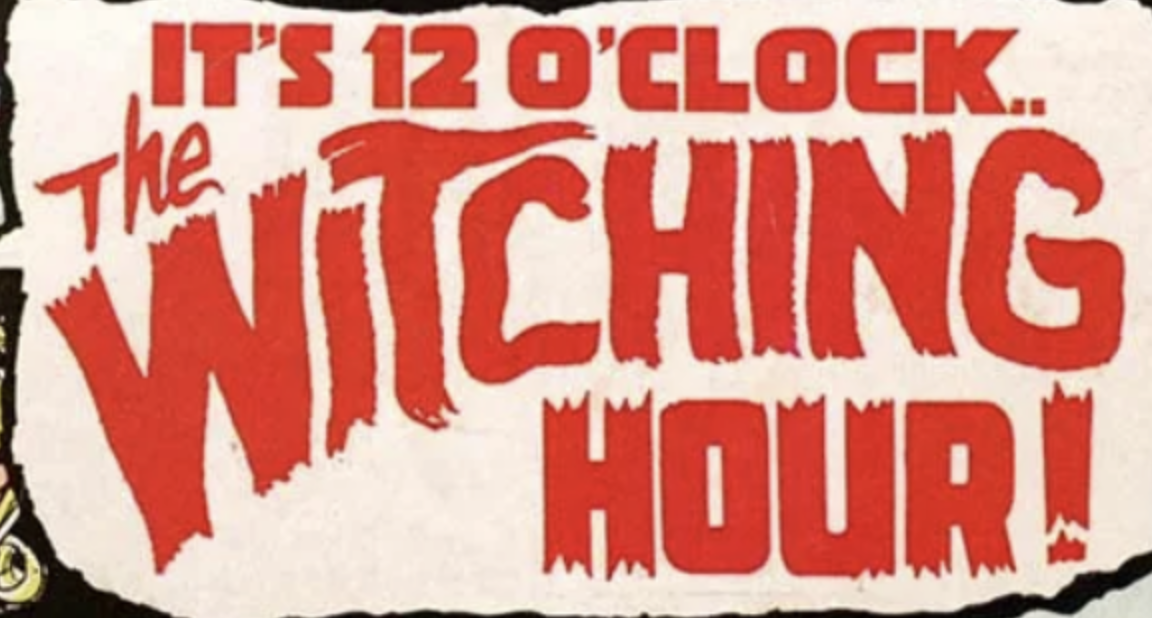
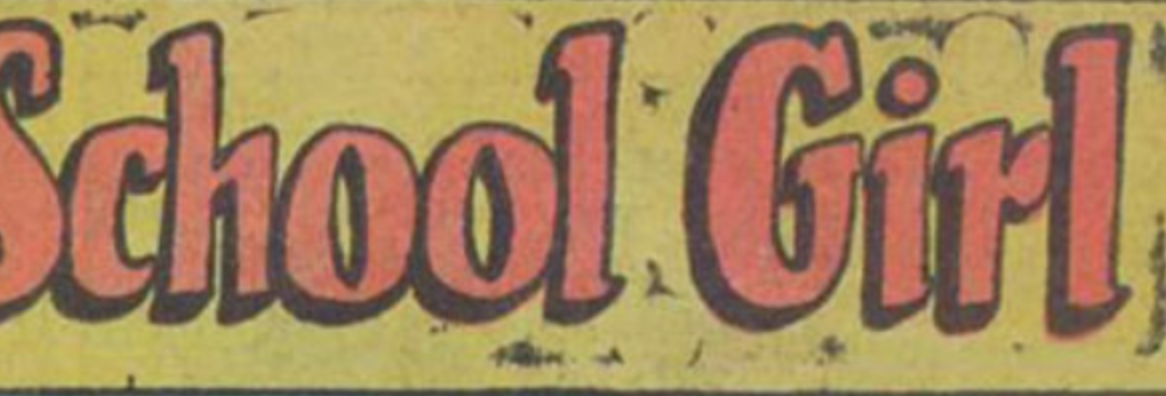
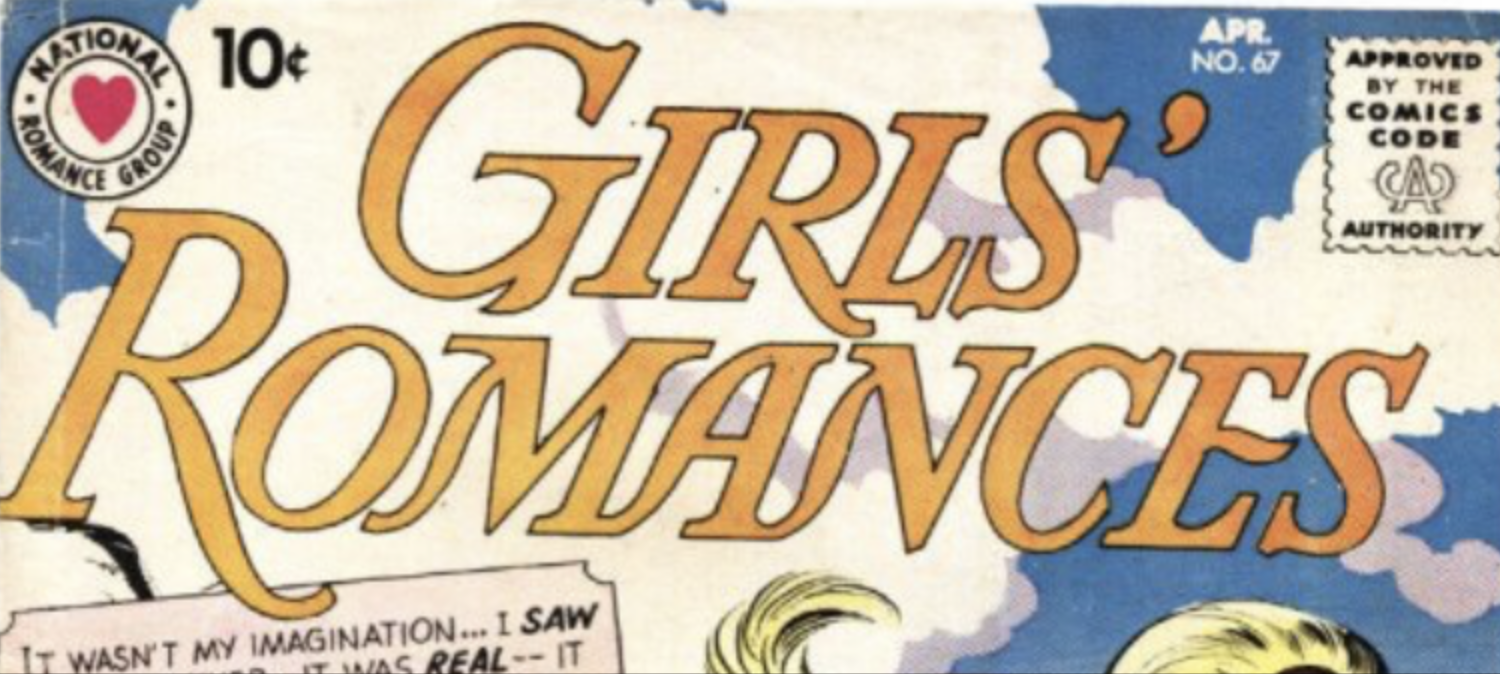
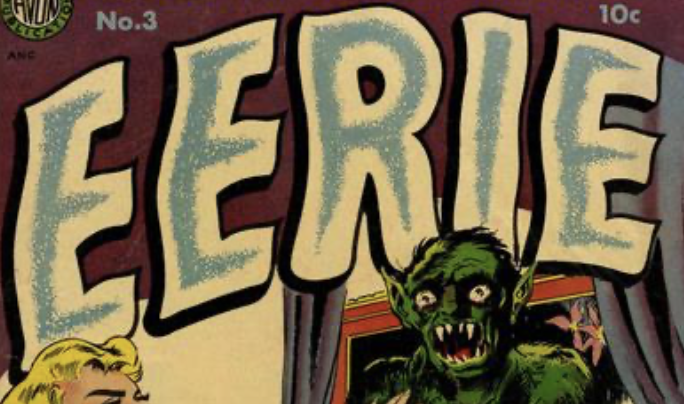
Font styles and color palettes we considered.
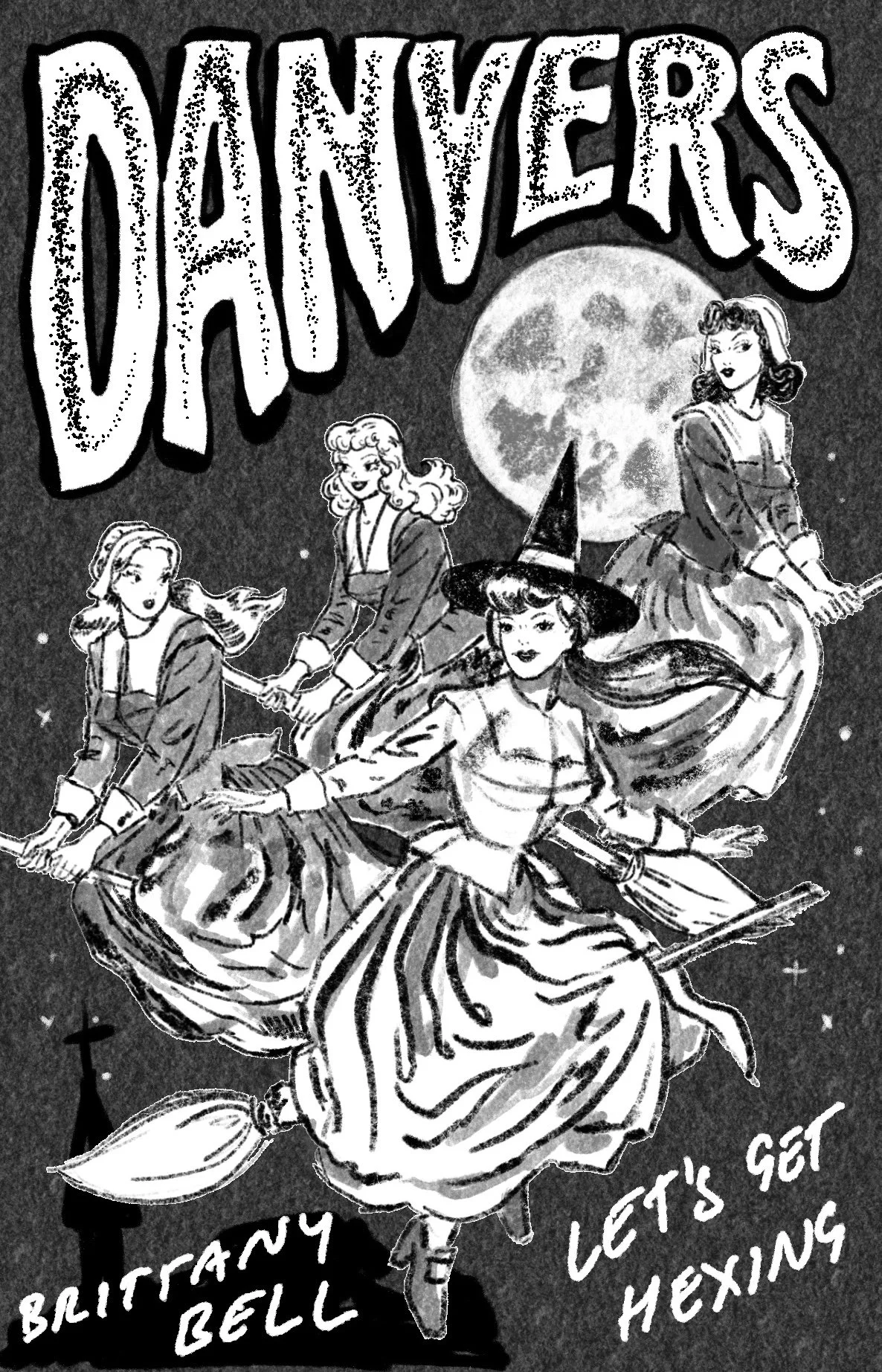
The first draft of the cover.
This is when it got real for me.
More color palettes, now on the designed cover.
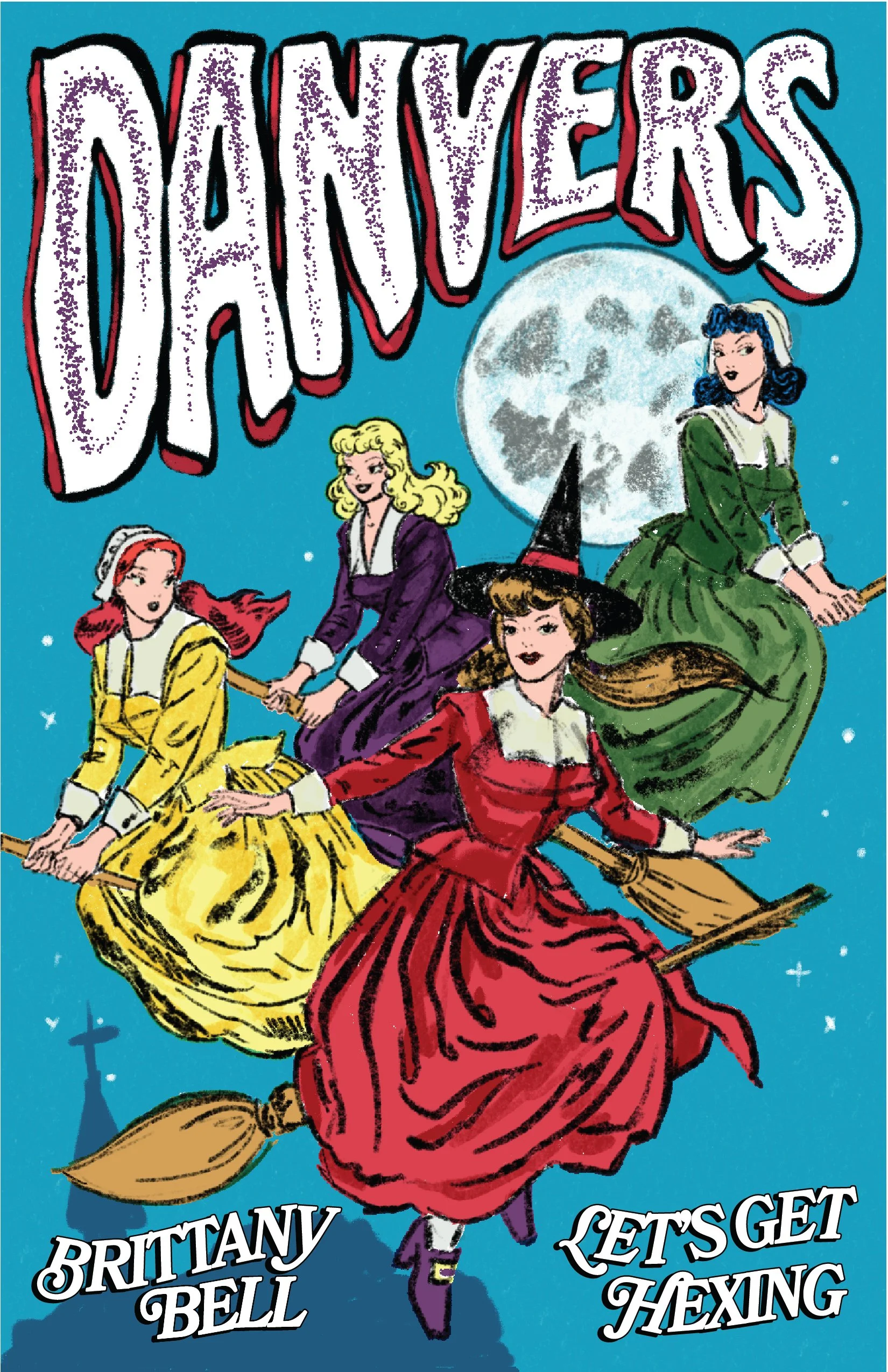
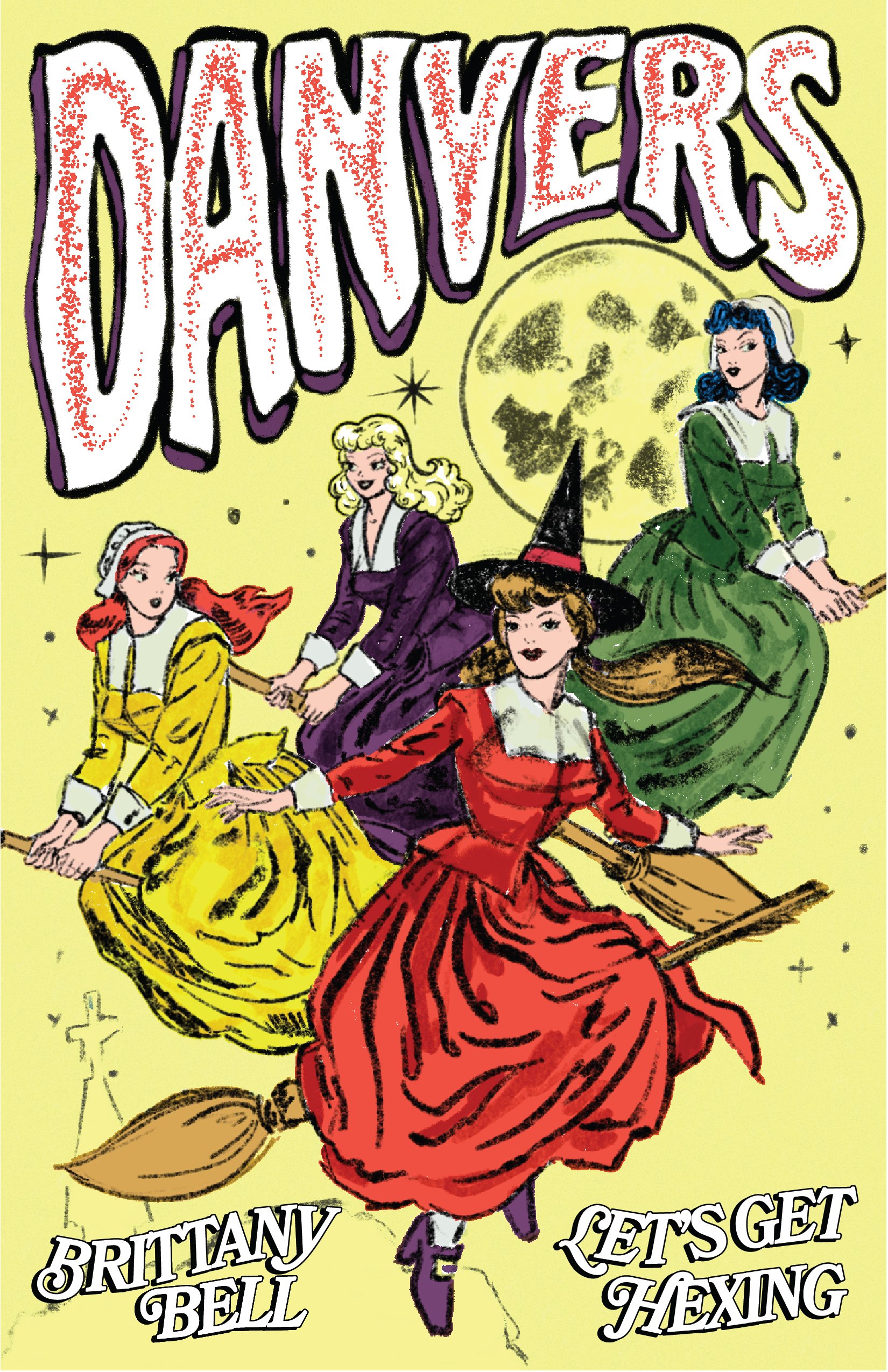
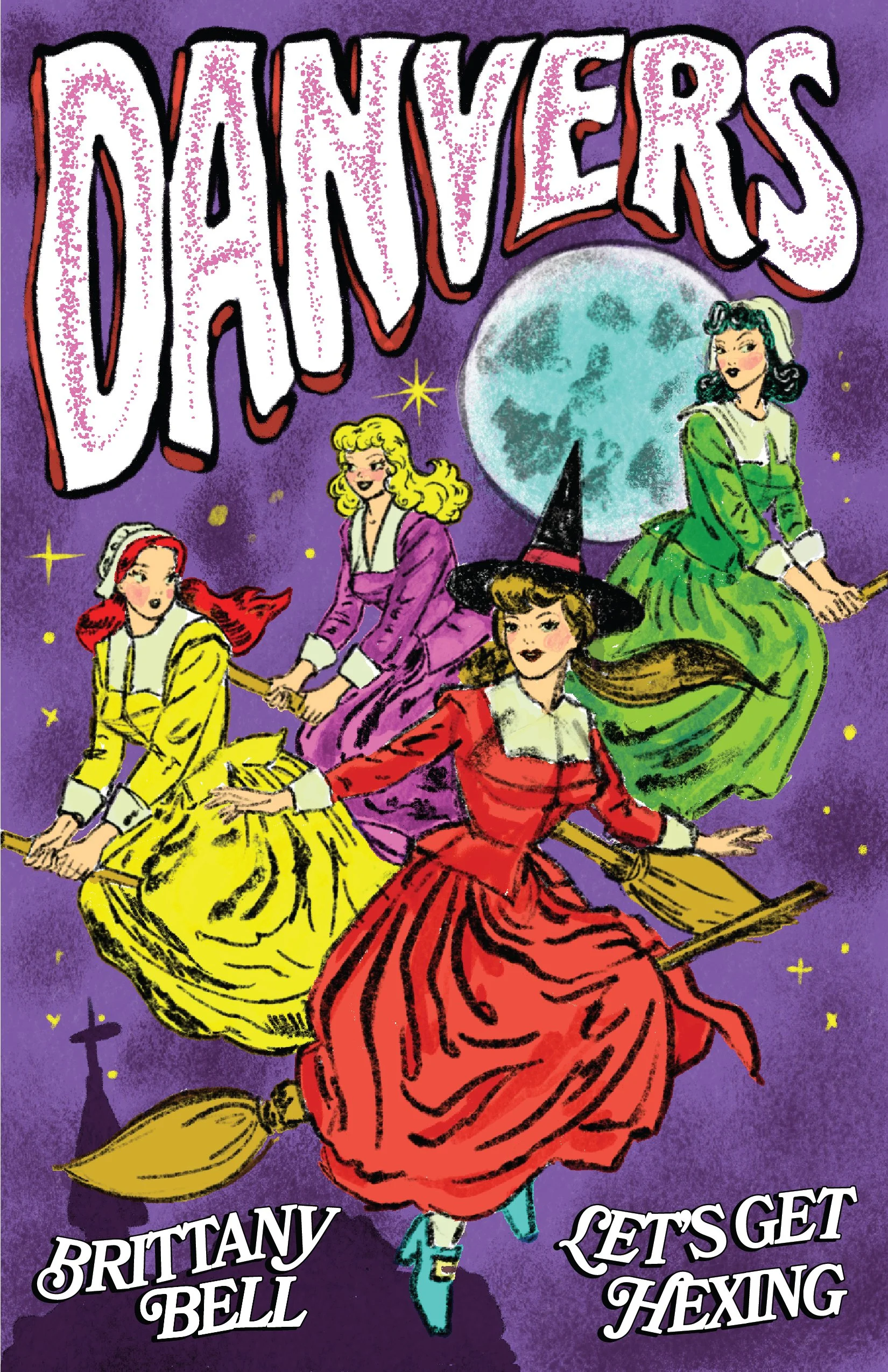
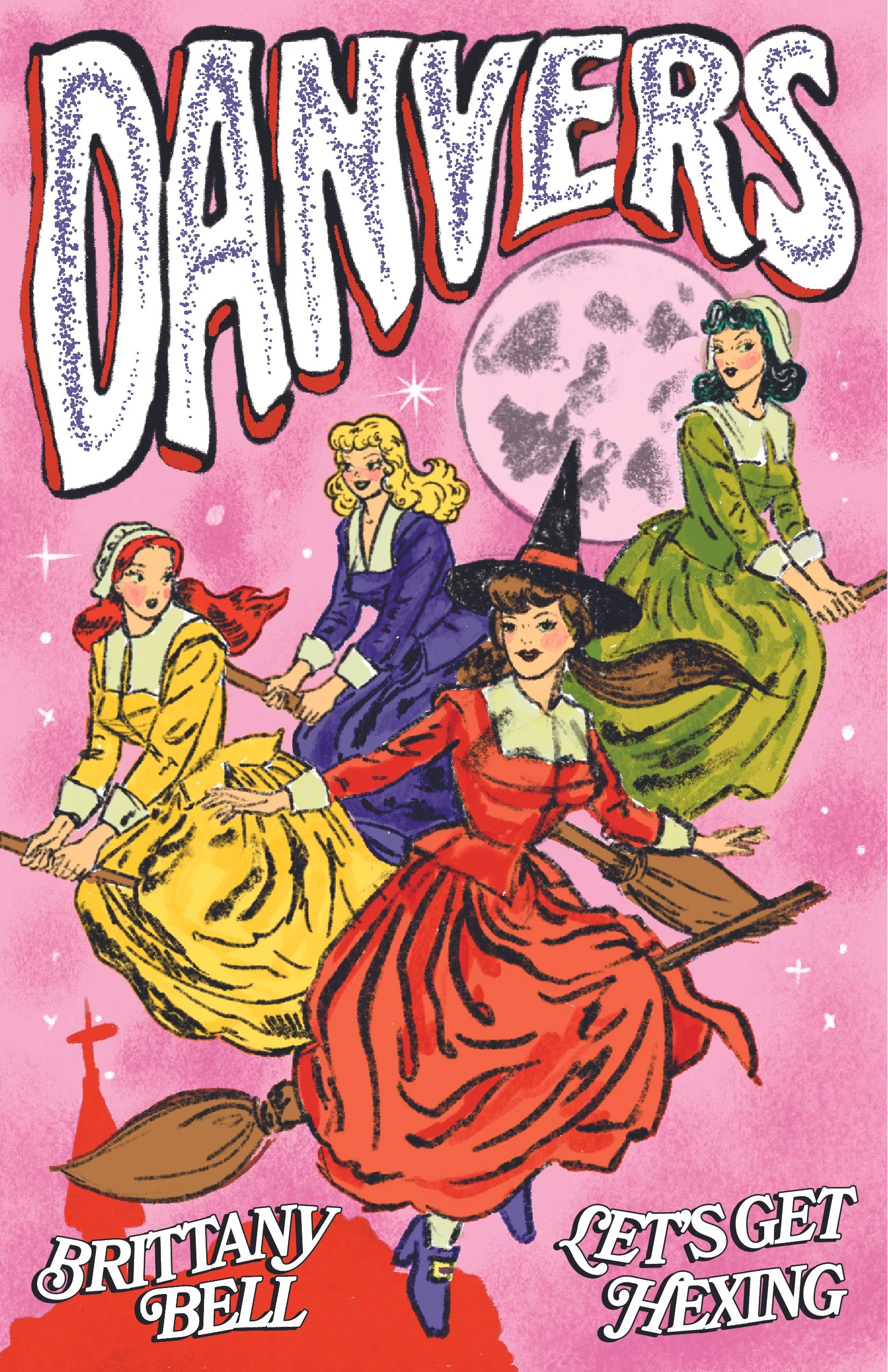
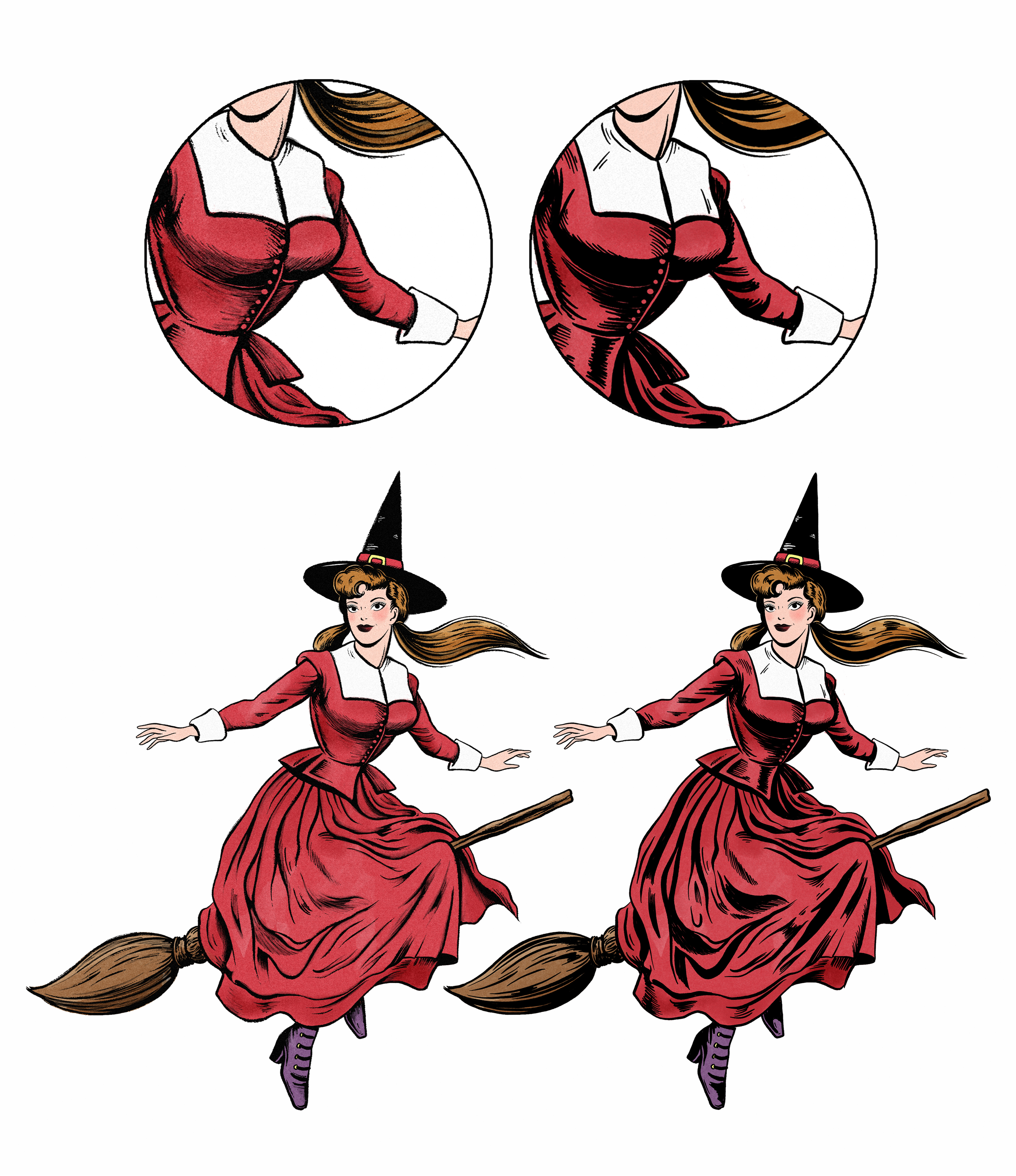
This is when Sofie probably wanted to kill me—I asked her to roughen up the design a bit to keep some of that sketch feel.
She delivered!
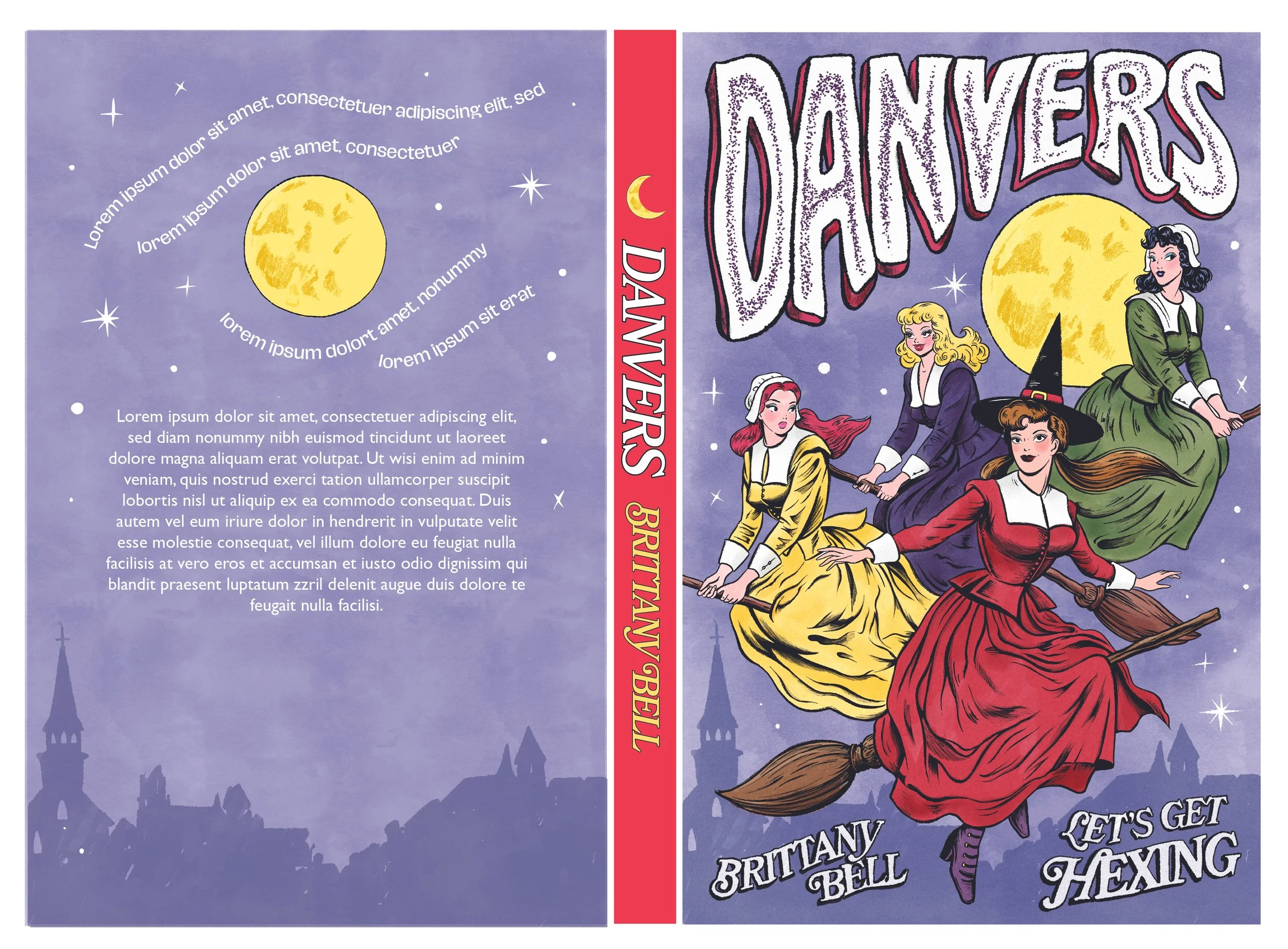
This is when I cried.
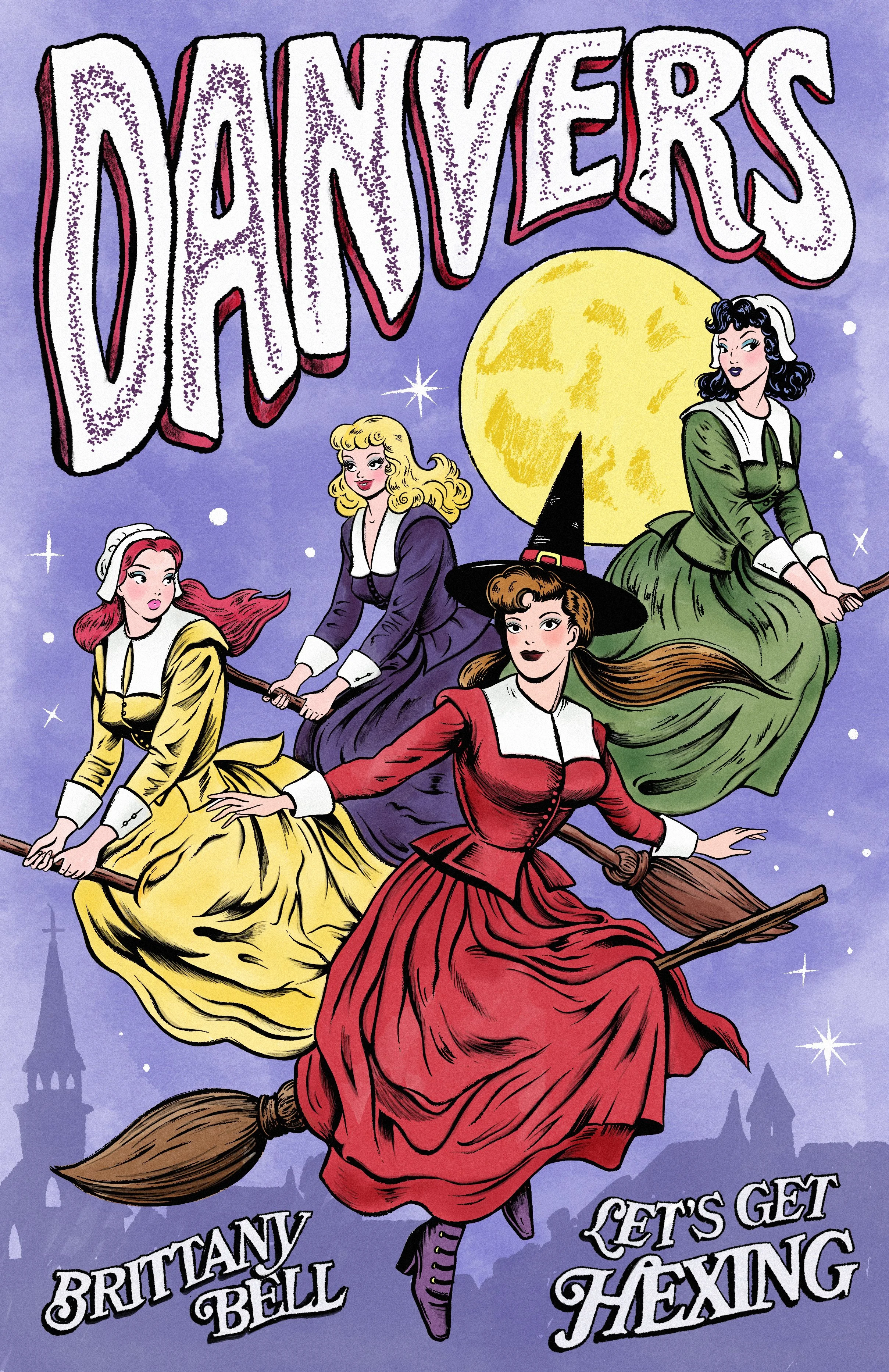
And now she’s pretty, she’s witty… and the story isn’t mine anymore.
(It’s yours)